


Technology changes fast. Every day, new tools appear, and your way of seeing and sharing information changes with them. Dualmedia is one of the main ideas behind this change. It brings together technology and media to create smart, interactive communication.
This article explains what Dualmedia means, how it works, and why it matters. You will see how it affects journalism, education, entertainment, and business.
What Dualmedia Means
Dualmedia combines digital technology with media communication. It makes information more interactive and personal.
When you read an article that changes as you scroll or watch a live event that lets you take part, that is Dualmedia in action. It is not just about watching or reading. It is about joining the experience.
Dualmedia connects text, sound, video, and user action into one system. This gives you control and helps content feel alive.
Why Innovation Matters for Dualmedia
Innovation drives Dualmedia forward. New ideas in AI, data, and communication make it stronger.
For example, some websites now use AI to change what you see based on your reading habits. If you like sports, the site may show you more sports stories. If you read about science, it will show you science updates.
This simple use of technology makes your experience faster and easier. It saves time and makes information more useful.
Innovation also improves how stories are told. It gives writers, teachers, and creators new tools to reach you directly.
How AI Shapes Dualmedia
Artificial Intelligence is a big part of Dualmedia. It collects data, studies patterns, and helps create better content. AI can write headlines, edit videos, or help people find news that fits their interests.
But AI still depends on people. Machines can handle large amounts of data, but they do not understand emotion or context like humans do.
In Dualmedia, AI and people work together. The machine organizes information. The person makes it human. This mix keeps stories real and relatable.
How Interactive Storytelling Works
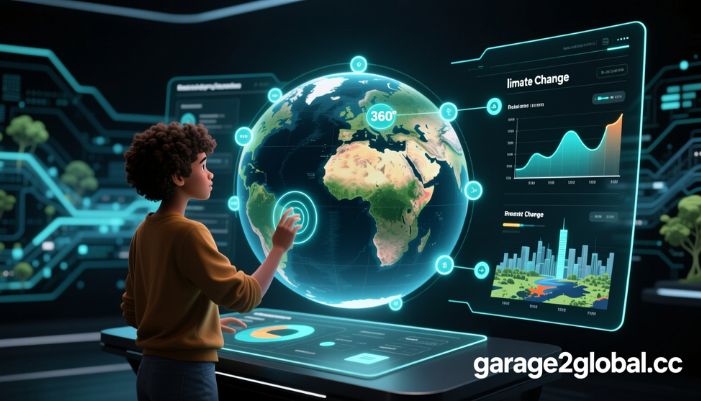
Storytelling is changing because of Dualmedia. In the past, stories went one way. The writer told, and you listened. Now, you can choose your own path in a story.
You might watch a 360-degree video, click on a topic, or take part in a live digital story. You decide what to see and when to see it.
This style of storytelling makes you part of the action. It also helps you understand the topic better because you control your learning.
For example, an interactive climate story might let you explore maps, view time-lapse data, or compare cities. This is more engaging than reading plain text.
Dualmedia and Modern Journalism
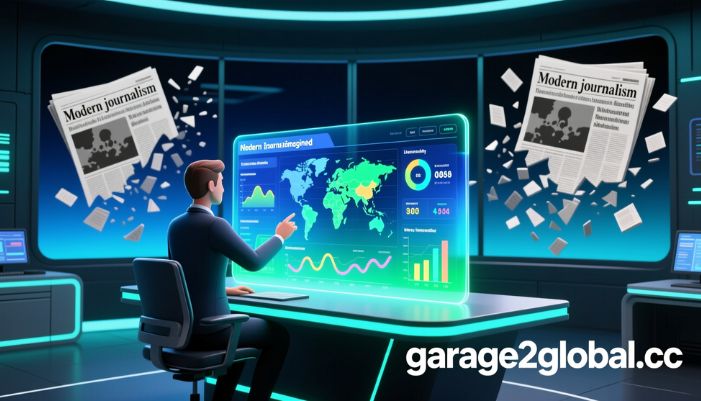
News is changing too. Many people no longer trust old forms of media. They want proof, visuals, and updates in real time.
Dualmedia helps journalists do this. They can now use live data, maps, and graphics to explain the news clearly.
Imagine a report that shows live air quality data as you read about pollution. You can see the numbers change on the screen. That makes the story more real and transparent.
This type of journalism helps build trust between readers and news creators. It also makes it easier to understand complex issues.
How Businesses Use Dualmedia
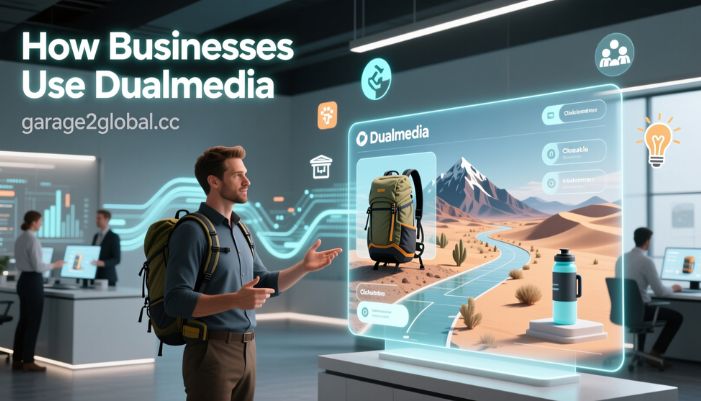
Businesses now use Dualmedia to share stories, teach customers, and explain products. Instead of traditional ads, they use interactive content that people can explore.
For example, a company selling travel gear might create a virtual trip. You click through destinations and see how each product fits into the scene.
This kind of storytelling connects customers to the brand. It feels more natural and useful than plain advertising.
Companies also use Dualmedia for internal training. Employees can learn through videos, quizzes, and digital simulations. It makes training faster and easier to remember.
Dualmedia in Education
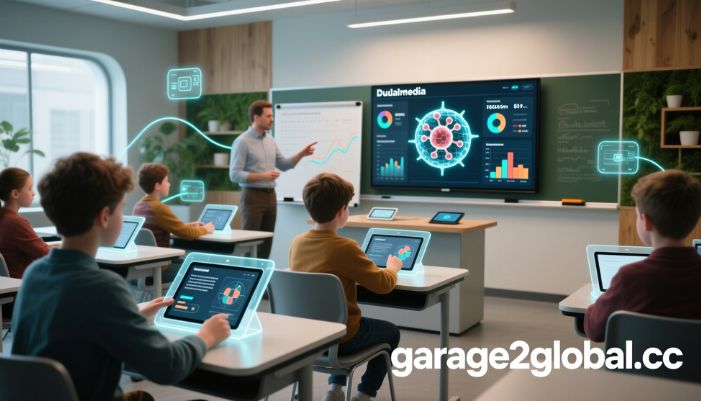
Education is one of the biggest winners of this innovation. Dualmedia gives students control over how they learn.
In a classroom that uses Dualmedia, you can read lessons, watch short videos, take part in discussions, and even test ideas through interactive tools.
This method helps students stay focused. It also gives teachers feedback on how well lessons work.
Learning becomes a shared process. Teachers guide students, and students take an active role in learning.
Dualmedia and Entertainment
Entertainment has also changed. Dualmedia lets you take part in the story.
Think about a movie where you choose what the main character does next. Or a concert that lets you view the stage from different angles.
This level of control keeps people involved. It turns watching into an experience.
Gaming, live events, and streaming platforms all use Dualmedia ideas. They make entertainment personal, flexible, and fun.
Privacy and Ethics in Dualmedia
Every new technology brings risks. Dualmedia collects data to work well, but that data must be used carefully.
When you interact with media, it often records your choices. This helps improve your experience, but it also raises questions about privacy.
Who owns this data? How is it protected?
Creators and companies must be open about what they collect and how they use it. Clear communication builds trust.
As a user, you should know when and how your data is being used. Transparency keeps innovation safe for everyone.
Read: Troozer.com Guide 2025: Project, Storage, and E-commerce Tools
Problems Dualmedia Faces
Dualmedia still has challenges. Some people cannot access advanced tools or fast internet. That makes it hard for them to join this digital space.
Some creators also struggle with learning new formats. They need time and training to use these technologies well.
Another issue is content overload. Too much interactive media can tire users out. Simpler design often works better.
To succeed, Dualmedia must stay inclusive, easy to use, and clear. Everyone should have the same chance to take part.
The Future of Dualmedia
Dualmedia will continue to grow. Soon, media may respond to voice, touch, and even emotion. You might watch a video that changes when it senses your mood or interest.
AI and VR will become more common. You may see classrooms using virtual labs, or news platforms using AI to create live summaries.
But the future must stay balanced. New tools should make life easier, not more confusing. They should connect people instead of replacing real communication.
If creators keep this balance, Dualmedia will become a core part of how the world learns and communicates.
What You Can Do
As a reader, learner, or viewer, you can take part in this shift. Try using platforms that let you interact with information. Give feedback to creators. Support transparent media.
Dualmedia grows when people engage with it. You shape the future every time you click, share, or comment.
This is not just technology. It is a shared form of communication.
Final Thoughts
Dualmedia shows how technology and media can grow together. It makes stories more alive, news more open, and learning more personal.
You no longer only consume content. You become part of it.
Innovation news around Dualmedia reminds us that progress should serve people, not replace them. The best technology listens, adapts, and connects.
Dualmedia is not just about screens or systems. It is about creating better ways to understand each other.
FAQs
1. What is Dualmedia?
Dualmedia connects digital technology with media to create interactive and personal experiences.
2. How does Dualmedia help journalists?
It lets journalists use live data and visuals to make stories easier to understand.
3. What is the role of AI in Dualmedia?
AI helps create content faster, personalize news, and analyze what users like.
4. What are the main risks of Dualmedia?
Privacy and data use are the main concerns. Users need clear information about how data is collected.
5. What is next for Dualmedia?
Dualmedia will include more voice, motion, and AI tools that make content more interactive and human.