You may have seen news about TheJavaSea.me leak called AIO TLP370. Here is what you need to know. This leak exposed source code, login data, and secret keys. Anyone can now access some of this sensitive information.
On March 22, 2025, a 1.2 GB archive called aio-tlpfullv7.3.zip appeared online. It contained source code, API keys, cloud settings, and over 2,000 secrets. This leak puts your accounts and business at risk. Hackers can use the information to break into systems, steal data, or plan attacks.
What the Leak Included
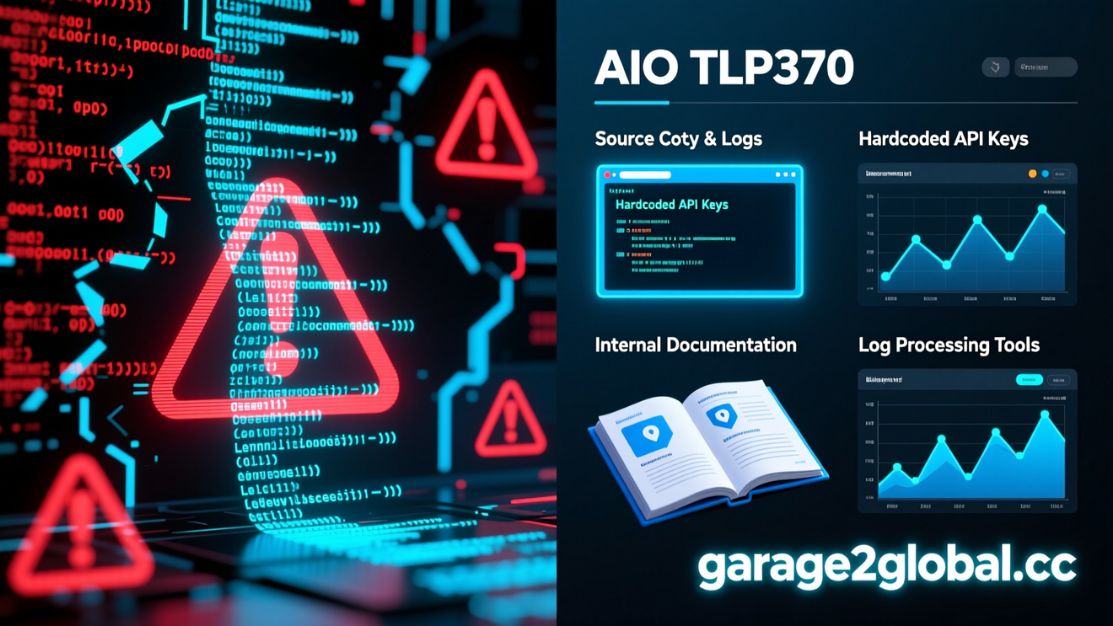
The AIO TLP370 leak is serious. Here is what was in the files:
- Source code and logs for cloud systems and applications. This shows how systems work and where weaknesses are.
- Hardcoded API keys and configuration files. Hackers can use these keys to access services.
- Internal documentation. It included instructions for security and system operations. Attackers can study these to plan attacks.
- Log processing tools. These help hackers see patterns in system behavior.
Because this information is public, your accounts and business systems are more vulnerable.
Who Is Affected

You may think this only affects big companies. It does not. Many people and businesses can be at risk:
- Individuals: If your login credentials match affected systems, attackers can try them on other accounts.
- Small Businesses: Many small companies use shared tools. If those tools are exposed, your data may be at risk.
- Large Companies: Even with strong security, leaks like this create new risks.
- Partners and Vendors: Leaked information can affect connected systems and supply chains.
Do not assume safety just because your company is not named. Take action now.
Why This Leak Is Dangerous
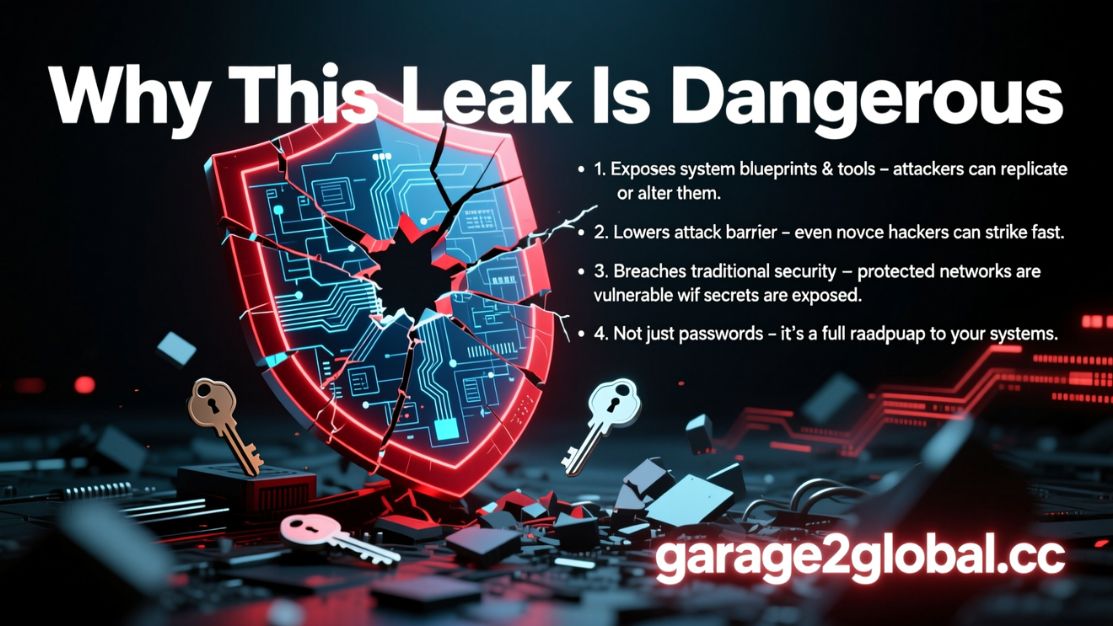
Most breaches only leak email addresses or passwords. This leak goes much further:
- It exposes system blueprints and tools, so attackers can copy or modify them.
- It lowers the skill needed to launch attacks. Less experienced hackers can now act quickly.
- Existing security may fail. Even protected networks can be attacked if internal secrets are exposed.
Treat this leak as a warning. It is not just a stolen password. It is a roadmap of systems and keys.
What You Must Do Now
Take these steps immediately to reduce risk.
For Your Personal Accounts
- Change passwords on all important accounts. Use unique passwords for each account.
- Turn on two-factor authentication (2FA) whenever possible.
- Watch for unusual activity. Check for unknown logins or password reset requests.
- Use tools like Have I Been Pwned to see if your email addresses were exposed.
For Your Business
- Rotate keys and API tokens. Replace all keys that could be exposed.
- Patch systems quickly. Fix vulnerabilities within two days if possible.
- Segment your network. Keep critical systems separate from general access.
- Monitor activity. Use logs and alerts to spot unusual behavior.
- Train staff on phishing and social engineering attacks.
- Update your incident response plan to include leaks of internal tools or source code.
For Everyone
- Avoid downloading leaked material. It can be illegal and dangerous.
- Consider credit monitoring if personal data may be exposed.
- Review your security regularly, not just after a leak.
Legal and Ethical Risks
This leak involves both company and personal data. Ignoring it can create legal problems.
- Organisations that store personal data may face fines under laws like GDPR or CCPA.
- Using or sharing leaked code can break intellectual property laws or criminal law.
- Ethically, you must protect your data and your users’ data. Failing to act can damage trust and reputation.
Read: Tradevlog.site Finance – Simple Guides to Save, Invest, and Grow Money
Long Term Effects
This leak is part of a larger trend. Leaks of tools and code make cybercrime easier.
- Hackers can use the leaked tools to attack more quickly.
- Time to exploit systems is shorter because attackers have the internal logic.
- Personal and business risk merges. Your home devices, freelance work, and small business may all be targets.
- Companies ignoring security will face higher costs and more damage.
Protecting yourself now prepares you for future leaks.
Frequently Asked Questions
Q1: What is the AIO TLP370 leak?
A1: It is a leak of source code, logs, API keys, and configuration files from TheJavaSea.me on March 22, 2025.
Q2: How can I check if I am affected?
A2: Use breach-checking tools for your email addresses. For businesses, audit credentials and see if your systems or tools were exposed.
Q3: What should I do first?
A3: Change passwords, rotate keys, enable 2FA, patch systems, monitor accounts, and review your incident plan.
Q4: Is visiting TheJavaSea.me safe?
A4: No. The site may contain malware and illegal content. Avoid using it.
Q5: Can I use leaked code?
A5: No. Using leaked code can break laws and violate intellectual property rights. Avoid it.
Conclusion
TheJavaSea.me leaks AIO TLP370 is serious. Source code, keys, and internal data are exposed. You must act fast. Change credentials, enable extra security, patch systems, and monitor accounts.
Do not wait. Protect yourself, your business, and your users now.